Buying used dropside vans
What Is a Dropside Van?
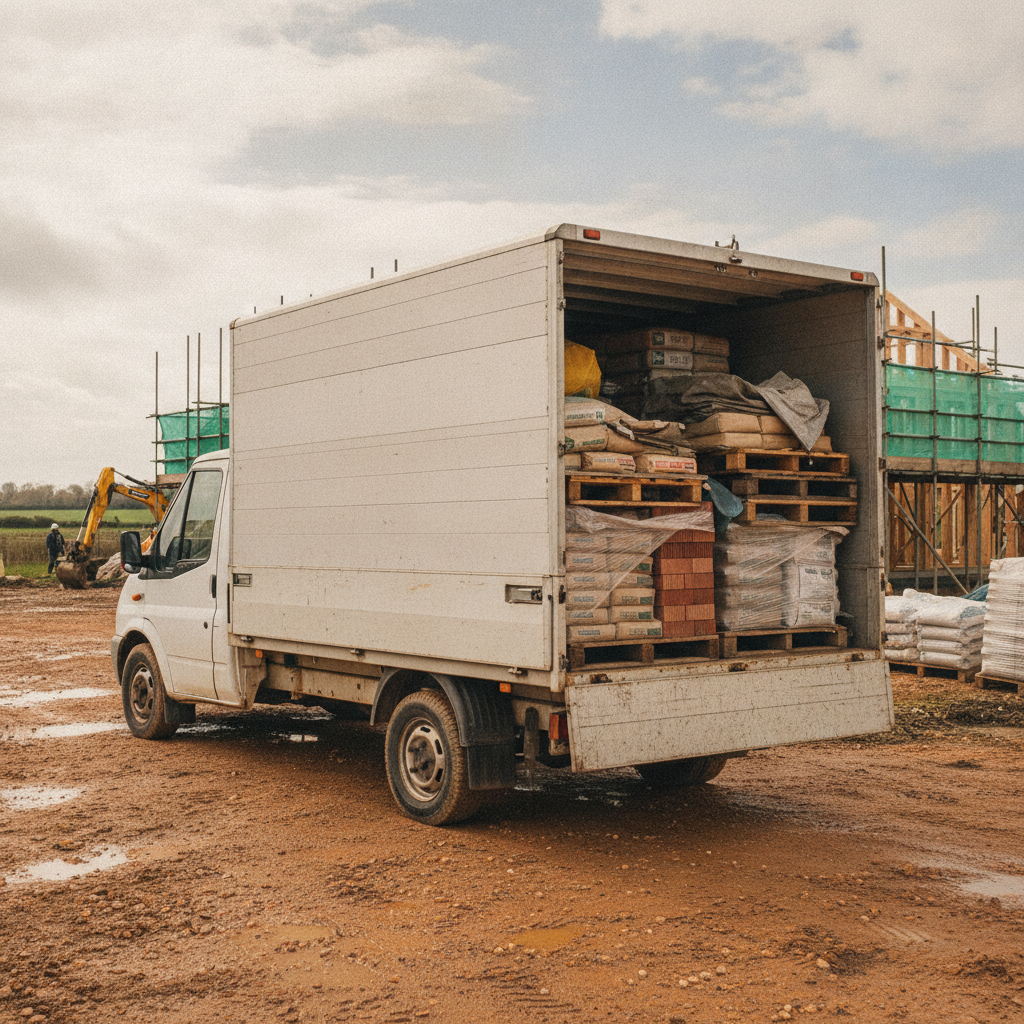
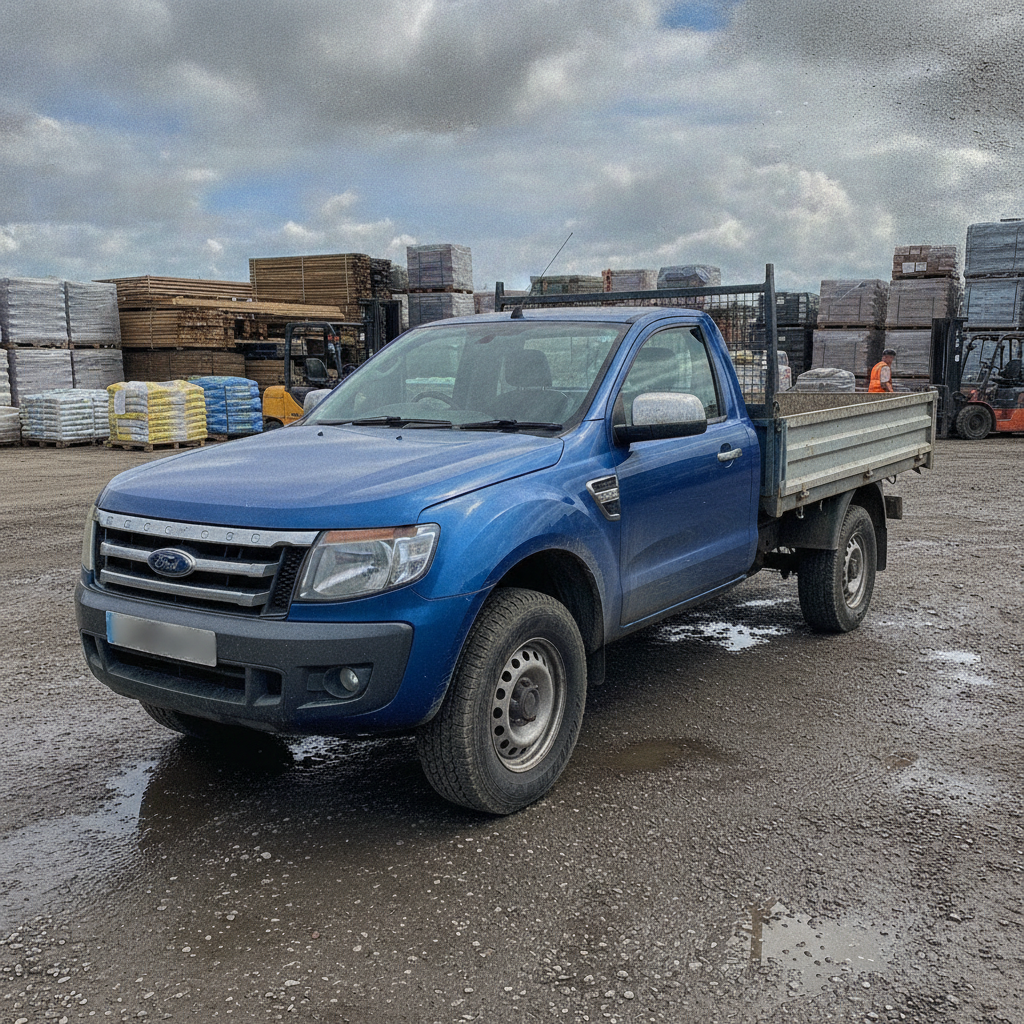
A dropside van is a purpose-built commercial vehicle featuring an open flat load bed enclosed by hinged, vertical sideboards and a hinged tailboard. Unlike a standard panel van with enclosed sheet metal sides and roof, a dropside allows the vertical boards to unlatch and swing down below the level of the deck. This simple mechanical layout gives unhindered, three-way access to the entire loading area, enabling forklifts to place palletised goods straight onto the deck without fouling the vehicle structure.
In the UK light commercial vehicle (LCV) sector, dropsides are almost universally built on a 3.5-tonne Gross Vehicle Weight (GVW) chassis cab. While they share an open load area with flatbeds and tippers, they serve a distinct operational role. A pure flatbed has no retaining sides, making loose cargo securing more demanding. A tipper includes a hydraulic ram to lift the deck and dump aggregate, but the tipping subframe adds substantial dead weight, cutting down on legal payload capacity. A dropside eliminates this hydraulic hardware to maximise load-carrying capacity while retaining robust perimeter walls that stop cargo shifting during transit.
Most factory and aftermarket conversions feature a heavy-duty front bulkhead, known as a cab gantry or ladder rack. This steel or reinforced aluminium frame rises directly behind the rear window of the cab, protecting driver and passengers from shifting cargo under hard braking. The gantry frequently incorporates tie-down bars and overhead supports designed to carry conduit, timber lengths, ladders, and scaffolding standards safely above the roofline.
Trades That Rely on Dropside Vans
Open-bed utility and rapid forklift loading make the dropside the backbone of several core British trades. Because loading materials into an enclosed panel van requires manual handling through narrow rear or side loading doors, trades moving high-volume, palletised, or awkwardly proportioned goods rely heavily on dropsides to save labour hours.
- Scaffolding Contractors: Scaffolders represent one of the heaviest user bases. Carrying steel scaffold tubes, alloy towers, timber scaffold boards, and bins of couplers demands a platform that accommodates long lengths overhanging the cab gantry. The open sides allow crews to strip down and load a job from pavement level or site ground without crawling inside a dark cargo hold.
- General Builders and Bricklayers: Moving bulk bags of sharp sand, pallets of thermalite blocks, concrete lintels, and pre-mixed mortar tubs requires direct mechanical access. Merchants can drop full pallets directly over the chassis rails using yard forklifts or lorry-mounted cranes, which is impossible in a traditional enclosed van.
- Fencing and Decking Contractors: Transporting concrete slotted posts, gravel boards, six-foot fence panels, and structural timber joists requires long beds. Dropping the sides allows fast mechanical offloading, while the flat bed permits wide packs of fencing to sit dead flat, preventing warp and transit damage.
- Landscapers and Groundworkers: While grounds teams moving loose topsoil or crushed stone often prefer tippers, landscaping contractors handling palletised natural stone paving, turf rolls, bagged bark, and compact site machinery (such as plate compactors, trench rammers, and turf cutters) choose dropsides for their superior payload margins and perimeter lashings.
- Civil Engineering and Highway Maintenance: Roadwork crews frequently deploy double-cab dropsides equipped with high-visibility Chapter 8 livery. The open deck allows fast deployment of traffic cones, temporary signage, and road barriers, while carrying multi-person work crews directly to the job site.
Leading Makes and Models on the UK Market
When searching for quality work vehicles, you will find several key platforms dominating the UK commercial sector. Each manufacturer balances payload, drivetrain resilience, and cab ergonomics differently.
Ford Transit Dropside
The Ford Transit is the benchmark dropside on British roads. Readily available through Ford’s direct 'One-Stop' conversion programme, Transit dropsides feature factory-fitted aluminium sideboards, steel headboards, and resin-bonded ply floors. Most second-hand models run the 2.0-litre EcoBlue diesel engine. For trade use, the rear-wheel-drive (RWD) and twin-rear-wheel (DRW) variants are preferred over front-wheel-drive (FWD) alternatives. The heavy-duty RWD chassis provides superior traction when pulling heavy loads off mud-slick building sites, and the running gear handles maximum axle weights with minimal component stress.
Mercedes-Benz Sprinter Dropside
The Sprinter is prized by long-distance trades and heavy plant operators for its durable drivetrains and comfortable cabs. Older Euro 6 units feature the proven 2.1-litre OM651 twin-turbo engine, while newer iterations use the refined 2.0-litre OM654 all-aluminium unit. Sprinter dropsides are exceptionally durable, with high-strength chassis rails that resist flexing under uneven loads. RWD variants offer high towing limits and smooth power delivery, though unladen kerb weights can be marginally higher than competitor platforms, slightly trimming maximum payload.
Iveco Daily Dropside
The Iveco Daily is essentially a light truck masquerading as a van. Built on a heavy-duty, steel C-section ladder chassis rather than a monocoque car-derived floorpan, the Daily handles punishing structural abuse better than almost any rival. Powered by either a 2.3-litre or a heavy-duty 3.0-litre F1C industrial diesel engine, it is the platform of choice for heavy plant towing, scaffolding, and infrastructure contracts. The chassis can easily handle rough terrain, high axle point-loading, and maximum towing duties, though the bare vehicle's heavy chassis steel means unladen weight must be monitored carefully to remain within legal limits on a standard licence.
Renault Master and Vauxhall Movano
The Renault Master (and the mechanically identical pre-2022 Vauxhall Movano) represents outstanding real-world value. Available in both FWD and RWD, the FWD versions offer an exceptionally low deck height, making manual offloading of heavy items significantly less taxing on the spine. Furthermore, the lightweight cab and chassis structure provide some of the highest legal payloads in the 3.5-tonne sector. The long-running 2.3-litre dCi engine is rugged, cost-effective to service, and delivers reliable low-end torque for merchant runs.
Crucial Specifications and Configurations
Before settling on a purchase, you must evaluate the vehicle’s specific chassis, cab, and body specifications against the reality of your day-to-day trade work.
Single Cab vs Crew Cab
Single-cab variants seat two or three people across a single bench, dedicating the remaining vehicle length entirely to the load bed. This configuration yields maximum deck space—often ranging between 3.6 metres and 4.2 metres on long-wheelbase chassis—while preserving the highest possible legal payload capacity. Double-cab (or crew-cab) variants introduce a second row of seats to carry up to six or seven crew members. However, the extended cab footprint consumes roughly one metre of deck length and adds significant body weight, directly reducing your carrying capacity by hundreds of kilograms before any cargo is added.
Bed Materials: Aluminium vs Steel
The choice between aluminium and steel components is a direct trade-off between payload and impact resistance. Extruded aluminium dropside panels are lightweight, corrosion-proof, and easy for a single worker to unlatch and swing down. They help keep the vehicle under its maximum weight threshold. However, if your crew drops heavy scaffolding tube clamps, excavator buckets, or concrete blocks against aluminium boards, they will dent and crease easily. Galvanised steel boards resist severe job-site impacts without distorting, but their heavy tare weight eats into your legal payload margin.
Deck Flooring
Inspect the bed floor surface. High-grade builds use phenolic resin-coated birch plywood (often termed Wisadeck or Buffalo board), featuring a textured, hexagonal non-slip pattern. This surface provides grip under wet boot soles and resists general moisture ingress. Lower-spec builds may feature standard marine ply or unsealed timber that rots quickly if stored outdoors. Extreme-duty vehicles use aluminium or five-bar chequer-plate steel decks welded directly over cross-members; these handle abrasive aggregate and tracked machinery without gouging, albeit with a payload penalty.
Tail Lifts and Lifting Cranes
Many second-hand dropsides are equipped with column tail lifts (typically 500kg capacity) or compact swing-arm hydraulic cranes (such as Penny Hydraulics or small Hiab units). These attachments turn the vehicle into an independent logistics unit, allowing a lone driver to collect pallets, engine blocks, or stone packs safely. However, hydraulic hardware adds weight and requires regulatory oversight. Tail lifts reduce the vehicle’s payload and introduce mechanical hydraulic pumps, rams, and electrical solenoids that require ongoing upkeep.
Used Inspection Checklist: What to Look For
Dropside vans lead hard lives. They operate on unpaved building sites, carry abrasive building products, and endure repeated forklift strikes. Conducting a thorough pre-purchase inspection is critical to avoid buying an overworked, structurally fatigued vehicle.
1. Chassis Rails, Crossmembers, and Subframe
Crawl directly under the chassis with a strong inspection light. Examine the main longitudinal chassis rails, crossmembers, and the subframe mounting brackets tying the dropside body to the vehicle. Check for stress cracks, twisting, or buckled steel around the rear spring hangers, which indicates systemic overloading. While light surface oxidation is standard on UK commercial vehicles, flaking rust or structural corrosion around mounting points will lead to an immediate MOT failure.
2. Dropside Latches, Pillars, and Retaining Pins
Drop every sideboard and the tailboard completely. Operate all latches, over-centre catches, and locking pins. The corner pillars and removable centre pillars should slide smoothly out of their chassis sockets and lock back down rigidly. If corner posts are bent from forklift impacts, the sideboards will rattle, pop open under lateral cargo pressure, or fail to seal securely, presenting a major roadside safety hazard.
3. Floor Condition and Delamination
Check the wooden bed for water pooling, soft patches, and delamination. Pay close attention to the outer perimeter where the ply meets the side rave. Water running down the boards often settles in edge channels, rotting the core timber. Replacing an entire 4-metre resin-bonded deck is a labour-intensive job involving dozens of countersunk fasteners and expensive sheet materials.
4. Suspension, Axles, and Tyres
Because dropsides are routinely loaded to their legal limit, suspension components suffer accelerated wear. Inspect the rear leaf springs: they should display a distinct upward or flat arch depending on design, not an inverted, downward-bowed smile. Check the rubber bump stops; if they are crushed, split, or polished clean, the vehicle has been driven bottomed-out on its bump stops due to chronic overloading. Inspect the rear tyres for signs of uneven wear, sidewall damage, or scrubbing, and confirm that all tyres carry the correct commercial load index rating.
5. Drivetrain, Transmission, and Clutch
Listen for differential whine on rear-wheel-drive platforms, especially when accelerating through high-load gears or coasting. Test the manual clutch bite point on a hill start; dropsides towing plant trailers often burn through clutches and dual-mass flywheels prematurely. Check the propshaft centre support bearings and universal joints for play or clunking sounds when transitioning between drive and reverse gears.
6. Tail Lift and Lifting Gear Compliance
If the vehicle features a tail lift or crane, ensure the seller provides an up-to-date certificate under the Lifting Operations and Lifting Equipment Regulations (LOLER). In the UK, equipment used for lifting goods must undergo a thorough statutory LOLER examination by a competent person at least every twelve months (or six months if adapted to carry persons). Operating without this documentation breaches Health and Safety Executive (HSE) safety regulations on commercial sites.
Commercial Dropside Price Expectations
Values on the secondary market vary widely based on mileage, structural condition, conversion quality, and Euro 6 emissions status for Clean Air Zone compliance. Use these price points as a structural guide when browsing available stock across our used commercial vans directory.
Budget Workhorses Under £8,000
Vehicles in this entry-level price band are generally older models, high-mileage examples, or older Euro 5 units. Expect cosmetic damage, scarred sideboards, and heavy cabin wear. These vehicles are suitable for rural trades or short site-to-yard runs that avoid urban emissions zones. Ensure you budget for immediate replacement of wear items such as brake discs, suspension bushes, leaf springs, and load-bed timber.
Mid-Tier Fleet Stock from £8,000 to £16,000
This is the most common price band for established independent trades. Vehicles in this range are primarily Euro 6 compliant, making them exempt from daily charges in London's Ultra Low Emission Zone (ULEZ) and provincial Clean Air Zones such as Birmingham, Bath, and Bristol. Typical mileages range between moderate and high, often reflecting single-owner utility or national merchant fleet maintenance with documented service records.
Late-Plate Models from £16,000 to £24,000
In this category, you will find clean, late-plate vans between two and four years old. Many retain remaining manufacturer mechanical warranties and display low mileage. Bodies will generally be pristine, complete with high-specification lightweight aluminium boards, integrated internal load-lashing tracks, and factory-fitted tail lifts. These vehicles offer reliable service for contractors working high-profile infrastructure projects where vehicle presentation and mechanical reliability are strictly monitored.
Specialist and Heavy-Duty Conversions Above £24,000
The highest tier covers nearly new chassis cabs, high-power automatic variants, and vehicles fitted with expensive hydraulic additions, such as remote-operated loading cranes or specialist scaffolding dropside bodies. You will also find high-gross-train-weight setups here, such as Iveco Daily twin-wheel packages complete with commercial tachograph installations ready for heavy plant towing.
Understanding Commercial Van Finance
When funding a work vehicle, sourcing suitable commercial van finance allows you to preserve working capital for day-to-day operations, materials, and emergency trade overheads. Vansales is an independent online vehicle marketplace and information platform; it is not a lender, broker, or financial institution, and it does not supply credit or sell vehicles directly. However, several traditional funding structures are routinely offered by independent motor dealers and commercial lenders across the UK.
Hire Purchase (HP)
Hire Purchase is a conventional route to vehicle ownership. You pay an initial deposit—typically the full VAT element on commercial vehicles—followed by fixed monthly payments spread over a term running between two and five years. Once all scheduled payments and the nominal option-to-purchase fee are cleared, your business owns the vehicle outright. This method suits trades that intend to keep their dropside long-term, driving it until the end of its operational lifespan without worrying about mileage restrictions.
Finance Lease
Finance Lease is widely favoured by VAT-registered partnerships, sole traders, and limited companies. You make an advance rental followed by regular monthly rentals. Crucially, the vehicle remains off your balance sheet, and monthly costs can typically be offset against trading profits as an allowable business expense. At the end of the term, the vehicle is sold to an independent third party; if the sale clears the agreed residual value (or balloon payment), your business retains the vast majority of the equity surplus. If it underperforms due to excessive damage or mileage, your business makes up the deficit.
Lease Purchase
Lease Purchase operates similarly to Hire Purchase, but it incorporates a deferred final balloon payment structured against the anticipated resale value of the dropside. By deferring a substantial lump sum to the end of the contract term, monthly outgoings are significantly reduced. However, this final balloon payment is mandatory; the business must settle the balance, refinance the residual figure, or sell the dropside to clear the outstanding balloon.
VAT Deferral Considerations
Commercial vehicles attract Standard Rate VAT. If your business is VAT-registered, you can normally reclaim the input VAT on a business-use dropside via your quarterly HMRC VAT return. Many commercial lenders offer a VAT deferral facility on HP agreements: the lender covers the VAT liability at the point of sale, deferring your repayment obligation for up to three months. This gives you time to submit your quarterly return, collect your VAT refund from HMRC, and settle the deferred balance without damaging short-term cash flow.
Weight Limits, Towing, and the Law
Operating a dropside within the law requires constant vigilance over axle and gross vehicle weights. A standard UK Category B car driving licence permits you to drive vehicles with a Maximum Authorised Mass (MAM) up to 3,500kg. Exceeding this figure risks severe DVSA fixed penalties, points on your driving licence, or court prosecution.
Always calculate your real-world payload by locating the manufacturer weight plate inside the passenger door shut or under the bonnet. This plate states the Gross Vehicle Weight (typically 3,500kg), Gross Train Weight (the maximum combined weight of van and trailer), and individual axle capacities. Subtract the unladen kerb weight of the vehicle (including the heavy dropside body, tail lift, tools, fuel, and crew) from the 3,500kg ceiling. What remains is your actual legal carrying capacity. A heavily built steel dropside with a tail lift and crew cab may leave you with less than 900kg of usable payload, which equals just a single bulk bag of aggregate and a few hand tools. If your trade involves towing plant trailers, check whether the combined vehicle and trailer train requires a digital tachograph and an Operator's Licence (O-licence), which becomes mandatory if the combined train weight exceeds 3,500kg for commercial carriage, subject to specific trade exemptions.