Photos coming soon
Dealer
ULEZ ✓Van VikingBristol
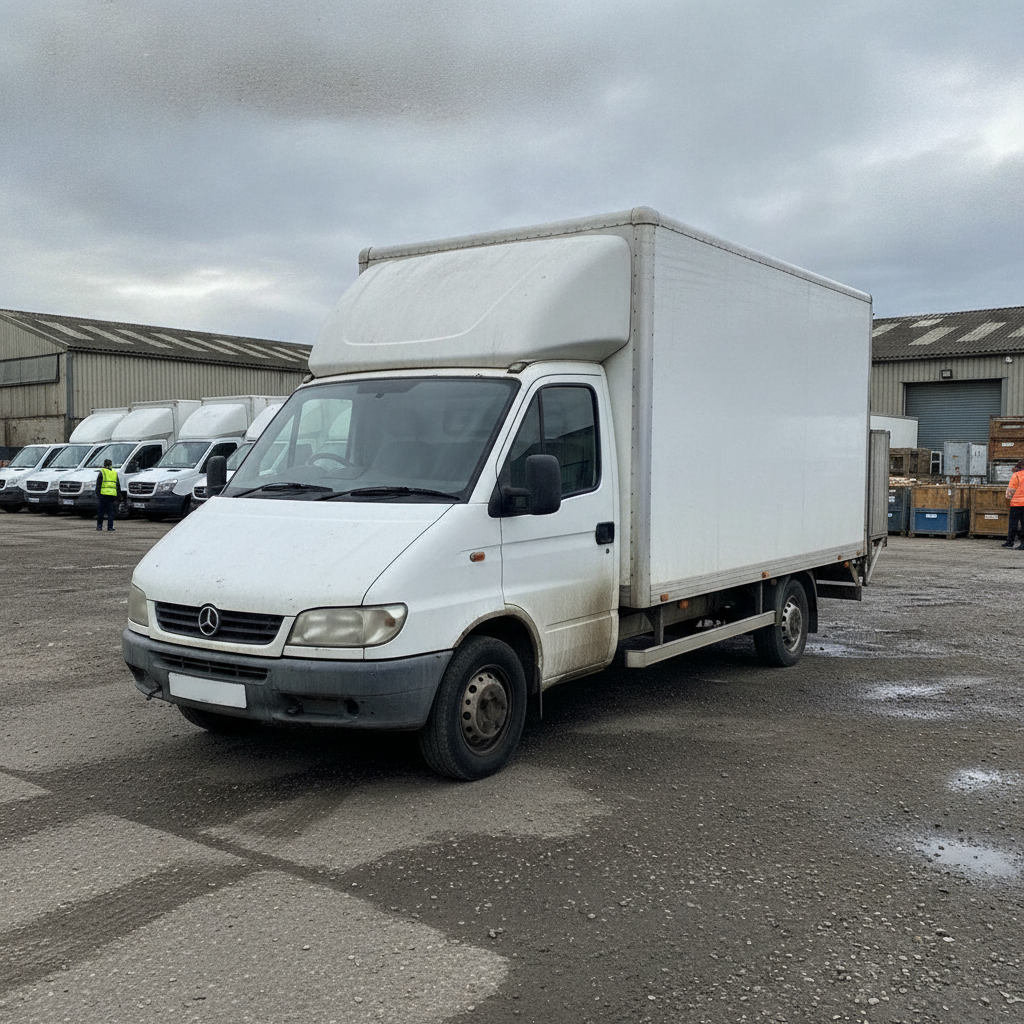
Mercedes-Benz Sprinter 316 Cdi Luton with Tail Lift
2019 · 84,100 mi · Diesel
316 CDI Luton with Tail Lift
£15,995+ VAT
Manual
Photos coming soon
Van VikingBristol
2019 · 84,100 mi · Diesel
316 CDI Luton with Tail Lift
The Luton van is the undisputed heavyweight of volumetric cargo transport on UK roads. Originally conceived in the town of Luton to carry straw hats without crushing them, this purpose-built commercial vehicle has evolved into an indispensable asset for businesses that move bulky, high-volume goods. The defining feature of a Luton is its coachbuilt box body that extends forward directly over the driver cab. This over-cab compartment, known in the trade as the Luton peak or Luton pod, provides invaluable storage space for lighter, awkward, or fragile cargo that needs to be kept separate from the main payload floor.
Unlike standard panel vans, which suffer from inward-tapering side walls, curved rooflines, and intrusive rear wheel arches, a Luton van is constructed with completely flat, vertical sides and an unobstructed rectangular load deck. This architectural difference allows operators to pack cargo flush against every wall, stack standardized packing cartons seamlessly, and utilize every square inch of internal room. While a long-wheelbase high-roof panel van might offer between eleven and fourteen cubic metres of cargo volume, a standard three-and-a-half-tonne Luton van typically delivers between nineteen and twenty-two cubic metres of enclosed space.
When searching for practical commercial vehicles, you will quickly notice that Luton bodies are primarily available in two configurations: standard-chassis tail lift models and low-floor walk-in models, often referred to as low loaders. Traditional Luton vans are built on a rear-wheel-drive or high-frame chassis cab. Because the load deck on these vehicles sits relatively high off the tarmac, they almost always require an electro-hydraulic tail lift bolted to the rear frame to allow the safe loading of heavy goods. Conversely, low loader Lutons are built around front-wheel-drive chassis platforms. By eliminating the heavy rear prop shaft and differential, converters can drop the loading floor significantly closer to the road. This creates an ultra-low step-in height, eliminates the mechanical complexity and weight of an electric tail lift, and provides even greater internal ceiling height, making them remarkably popular for fast-paced multi-drop delivery and domestic removals.
A Luton van is rarely purchased as a general runabout; it is a specialist commercial tool chosen by operators whose bottom line relies on maximum cubic capacity within the bounds of a standard UK driving licence. If you are exploring the wider market for used vans to expand your operational fleet, understanding which industries get the most value out of a Luton will help clarify whether this body style matches your daily commercial demands.
Because Luton bodies are coachbuilt on commercial chassis cabs, the driving experience, reliability, and maintenance requirements are dictated by the underlying chassis manufacturer. Several key manufacturers dominate the UK secondhand market, each offering distinct advantages depending on whether your priority is mechanical longevity, low unladen weight, or parts availability.
The Ford Transit is the cornerstone of the UK commercial vehicle sector. Available in both front-wheel-drive variants and durable rear-wheel-drive configurations with single or twin rear wheels, the Transit platform offers an unbeatable balance of cab comfort, road manners, and national mechanical support. Older used examples rely on the proven two-point-two-litre TDCi engine, while modern post-two-thousand-and-sixteen variants feature the two-litre EcoBlue diesel unit. The EcoBlue delivers impressive torque and compliance with modern emissions regulations, though buyers must verify that the engine has seen timely oil servicing using the precise manufacturer-specified lubricants, as neglect can cause premature deterioration of the internal wet timing belt system. The massive footprint of Ford specialist workshops and cheap aftermarket panel and mechanical parts make the Transit a low-risk option for independent tradespeople.
The Mercedes-Benz Sprinter is the undisputed king of long-distance motorway cruising. Renowned for its exceptional build quality and mechanical endurance, a well-maintained Sprinter chassis can easily surpass hundreds of thousands of miles without major engine overhauls. Most used examples in the market feature either the venerable two-point-one-litre OM651 twin-turbo engine or the later two-litre OM654 all-aluminium powerplant. Sprinters feature exceptional electronic stability systems, sophisticated cab technology, and rear-wheel-drive configurations that handle heavy cargo loads over long distances with supreme stability. Prospective buyers must carefully inspect the chassis rails and cab mounts for surface corrosion on older examples, and ensure that the complex SCR AdBlue emissions system is working without dashboard fault warnings.
This trio of mechanically related vans represents the dominant foundation for low-floor, walk-in Luton conversions. Built around a front-wheel-drive layout with a transversely mounted two-point-three-litre dCi twin-turbo diesel engine, these vehicles boast an exceptionally low unladen chassis weight. This engineering advantage allows coachbuilders to construct large-volume bodies while preserving significantly more legal payload capacity than is possible on rear-wheel-drive alternatives. The two-point-three-litre engine is durable, pulls strongly from low revs, and avoids many of the complex timing belt issues seen elsewhere thanks to its robust timing chain setup. Cabs are utilitarian and hard-wearing, making them ideal workhorses for fleet applications and multi-drop transport.
Like the Renault Master, the Peugeot Boxer and Citroën Relay chassis are exceptionally popular among conversion specialists building lightweight box vans. Constructed on a light front-wheel-drive ladder chassis, these vehicles allow converters to maximize legal carrying weight on a standard car licence. Powered predominantly by two-litre or two-point-two-litre BlueHDi diesel engines, they offer strong fuel economy and low running costs. Cabs are wide and functional, though the interior plastics are more utilitarian than those found in a Ford or Mercedes-Benz. When inspecting these models, pay close attention to front suspension mounts, steering racks, and gearbox synchronisers, which face significant stress when carrying high payloads on uneven urban roads.
The Iveco Daily is built unlike any other light commercial vehicle in its class. Rather than using a monocoque chassis, the Daily relies on a heavy-duty C-section steel ladder truck chassis, identical in concept to an eighteen-tonne commercial lorry. Available with rugged three-litre diesel engines and rear-wheel-drive twin-rear-wheel axles, the Daily is practically indestructible under heavy load conditions and offers unmatched towing capabilities. However, because the chassis frame itself is exceptionally heavy, an Iveco Daily registered at three-and-a-half tonnes will have a noticeably lower legal payload capacity than a front-wheel-drive equivalent. They are best suited to operators carrying dense goods who frequently tow heavy trailers or who plan to operate under higher weight categories.
Buying a used Luton van requires a double-barrelled inspection: you must scrutinize both the base automotive chassis and the coachbuilt cargo box. Luton vans live strenuous commercial lives, facing severe aerodynamic resistance on motorways, heavy physical abuse inside the cargo bay, and frequent low-speed scrapes in tight urban streets.
The structural shell is the heart of a Luton van. Walk slowly around the vehicle and look for signs of previous impact damage. Due to their extreme height, Lutons frequently collide with low-hanging tree branches, shop awnings, and height-restriction barriers. Inspect the top front corners of the over-cab peak; this is the most common impact zone. Cracks in the glass-reinforced plastic (GRP) or composite panels allow rainwater to penetrate the structure. Once moisture enters the internal sandwich core or timber framework, internal rot and delamination set in quickly.
Climb inside the box and shut the rear shutter or doors completely. Look up at the roof. Most Lutons feature a translucent GRP roof skin designed to let daylight flood the cargo bay. Look for daylight penetrating anywhere other than the translucent panel itself, particularly around the perimeter aluminium rivets and corner sealants. Inspect the timber kickboards and internal floor. Musty smells, water staining along the plywood walls, and damp, spongy floor patches indicate chronic leaks that will ruin customer cargo and require thousands to rebuild properly.
If the vehicle is fitted with an electric tail lift, you must treat it as an essential mechanical component and a legal liability. Under UK health and safety legislation, tail lifts are classified as lifting equipment. They must adhere to the Lifting Operations and Lifting Equipment Regulations, commonly known as LOLER. In commercial operations, a tail lift must undergo a statutory thorough examination by an independent competent person at regular intervals—typically every six months if used to carry persons, or every twelve months for goods-only applications, though commercial fleet insurance policies almost universally demand valid six-month documentation.
Operate the tail lift through its entire cycle multiple times using both the external control box and the wandering safety lead or foot controls. Ensure the platform opens smoothly, lowers flat to the ground without sticking, and raises back to deck level without shuddering. Inspect the hydraulic power pack, pump motor, hydraulic oil reservoir, and high-pressure hoses for fluid leaks. Examine the mechanical lift cables or chains for fraying, rust, or slack. Check that the platform safety flags are present, the non-slip surface is intact, and the safety mechanical lock mechanisms engage firmly when the lift is stowed for transit.
A Luton box creates a substantial rear overhang beyond the vehicle's rear axle. When heavy cargo is loaded onto the rear floor or lowered on an extended tail lift, immense leverage is exerted on the vehicle's chassis rails. Crawl underneath the van and examine the metal chassis extensions that bridge the factory vehicle chassis to the rear tail lift mounting points. Check for cracks in the metal, damaged mounting bolts, or poor-quality structural welding. Surface rust on the chassis frame is common, but deep, flaking corrosion that compromises metal thickness is an immediate MOT failure.
Inspect the rear suspension system thoroughly. Because Luton vans frequently run close to their gross vehicle weight, suspension components experience extreme fatigue. Check the rear leaf springs. On an unloaded van, the springs should display a clear, upward-curved camber. If the leaf springs sit completely flat, or curve downwards in an inverted arc, the suspension is exhausted from chronic overloading. Look for cracked individual leaves, leaking rear shock absorbers, and worn rubber suspension bump stops.
Driving a massive, non-aerodynamic box into motorway head-winds puts intense strain on commercial drivetrains. During your test drive, pay close attention to clutch engagement and gear selection. Depress the clutch pedal and listen for metallic rattling, chirping, or vibration from the bell housing, which indicates a failing dual-mass flywheel. Accelerate hard in high gears at low engine speeds to test for clutch slippage.
On rear-wheel-drive models, listen carefully for high-pitched whining or humming noises coming from the rear axle and differential at sustained speeds, which points to worn crown wheel and pinion bearings. For automatic variants, ensure gear changes are fast, smooth, and free from slipping or erratic hunting between ratios. Ensure the engine pulls smoothly without cutting out, and confirm that there is no excessive black, blue, or white exhaust smoke under heavy acceleration.
The single biggest operational pitfall for UK Luton van operators involves vehicle weight. Standard commercial vehicles in this category operate with a maximum Gross Vehicle Weight (GVW) of three thousand five hundred kilograms. This is the legal threshold that allows anyone holding a standard Category B UK driving licence to drive the vehicle without needing an operator's licence (O-licence), a tachograph, or specialized driver certificates of professional competence.
However, the unladen weight of a Luton van is substantially higher than that of a standard metal panel van. The combined weight of the coachbuilt box, internal timber tie-rails, reinforced floor, and a five-hundred-kilogram steel hydraulic tail lift often consumes between two thousand four hundred and two thousand six hundred kilograms before you even step into the cab. This leaves you with an actual legal payload capacity of only nine hundred to eleven hundred kilograms for the driver, fuel, passenger, equipment, and customer cargo.
The Driver and Vehicle Standards Agency (DVSA) actively targets Luton vans at roadside weighbridge checkpoints across the UK. Carrying a load of heavy domestic appliances or dense antique oak furniture can easily push a standard Luton van over its legal three-point-five-tonne ceiling. Fines for overloading are issued on a sliding scale depending on the percentage exceeded, and vehicles that are dangerously overloaded are immediately prohibited from moving until the excess weight is removed. When evaluating any used Luton van, always inspect the second-stage converter weight plate, typically riveted beneath the bonnet or on the passenger door pillar, to establish the exact unladen kerb weight and your true allowable payload.
Used Luton van pricing fluctuates based on chassis age, mileage, the condition and manufacturer of the coachbuilt box, tail lift certification, and compliance with national Clean Air Zones. Below is an outline of what buyers can realistically expect to find across common secondhand market tiers.
Vehicles within this introductory price bracket are generally older models registered between two thousand and ten and two thousand and fifteen, carrying odometers reading well over one hundred and thirty thousand miles. In this category, vans will usually feature older Euro 5 diesel engines. These powerplants do not comply with modern low-emission zones, meaning they will incur steep daily charges if driven inside the London Ultra Low Emission Zone (ULEZ) or Clean Air Zones in cities like Birmingham, Bristol, Bath, and Newcastle. Expect clear signs of cosmetic wear, faded or scraped GRP body panels, weathered timber floors, and tail lifts that may require imminent overhaul or fresh LOLER certification. Vehicles in this tier require a meticulous mechanical inspection of suspension, brakes, and cooling systems prior to entering commercial service.
This bracket represents the sweet spot for established sole traders, growing removal companies, and independent logistics contractors. Vehicles here typically date from two thousand and sixteen up to two thousand and twenty, featuring mileages between seventy thousand and one hundred and twenty thousand miles. Crucially, the majority of vans in this price tier feature Euro 6 compliant diesel engines fitted with Selective Catalytic Reduction (SCR) AdBlue systems, exempting them from daily clean air urban boundary charges. You can expect tidy, factory-standard or mainstream commercial bodies from reputable bodybuilders, fully functioning tail lifts with up-to-date maintenance logs, and cabs equipped with modern conveniences like Bluetooth connectivity, cruise control, and reversing cameras or parking sensors.
At this upper level, buyers will find late-plate commercial vehicles registered from two thousand and twenty onwards, often displaying fewer than fifty thousand miles on the clock. These vans are frequently direct ex-fleet vehicles from national rental companies or corporate logistics operations, sold with verified main-dealer service histories and fresh mechanical inspections. Vehicles in this tier often feature ultra-lightweight thermoplastic honeycomb composite boxes that recover vital payload capacity, advanced cab touchscreen infotainment systems with satellite navigation, and modern electronic active safety suites like lane-keeping assist and autonomous emergency braking. Many remain covered by the tail end of the original manufacturer warranty, offering maximum operational reliability for intensive, daily cross-country trade work.
Investing in a used Luton van represents a major capital expenditure for any trade business. Rather than locking up critical operational cash flow in a single depreciating asset, many UK businesses elect to fund their commercial vehicles using structured finance products tailored to commercial taxation and cash flow needs. When considering your acquisition, understanding how different finance structures work will ensure you select the appropriate product for your operational model.
If you are exploring structured funding paths, learning more about commercial van finance structures can help you decide how best to manage your company balance sheet.
Please note that Vansales is purely an independent online commercial vehicle marketplace designed to connect buyers with commercial vehicle dealers and sellers across the UK. Vansales is an informational resource and advertising platform; it does not sell vehicles, lend money, act as a credit broker, provide financial advice, or arrange commercial vehicle finance agreements directly. Commercial vehicle finance is subject to individual status, underwriting approval, company credit checks, and formal terms and conditions provided exclusively by third-party lenders.

Leave your details and what you need, and we will come back to you.