Buying used refrigerated vans
Understanding Temperature-Controlled Commercial Vehicles
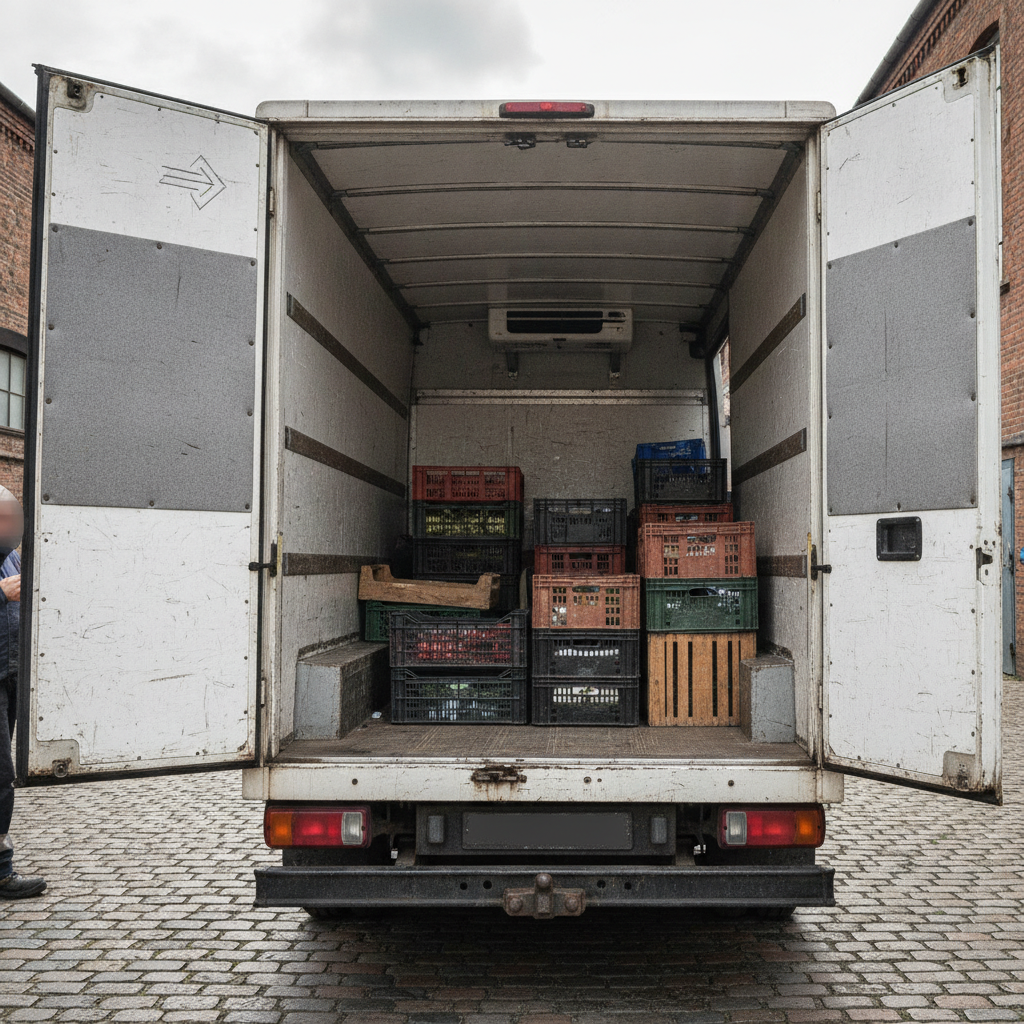
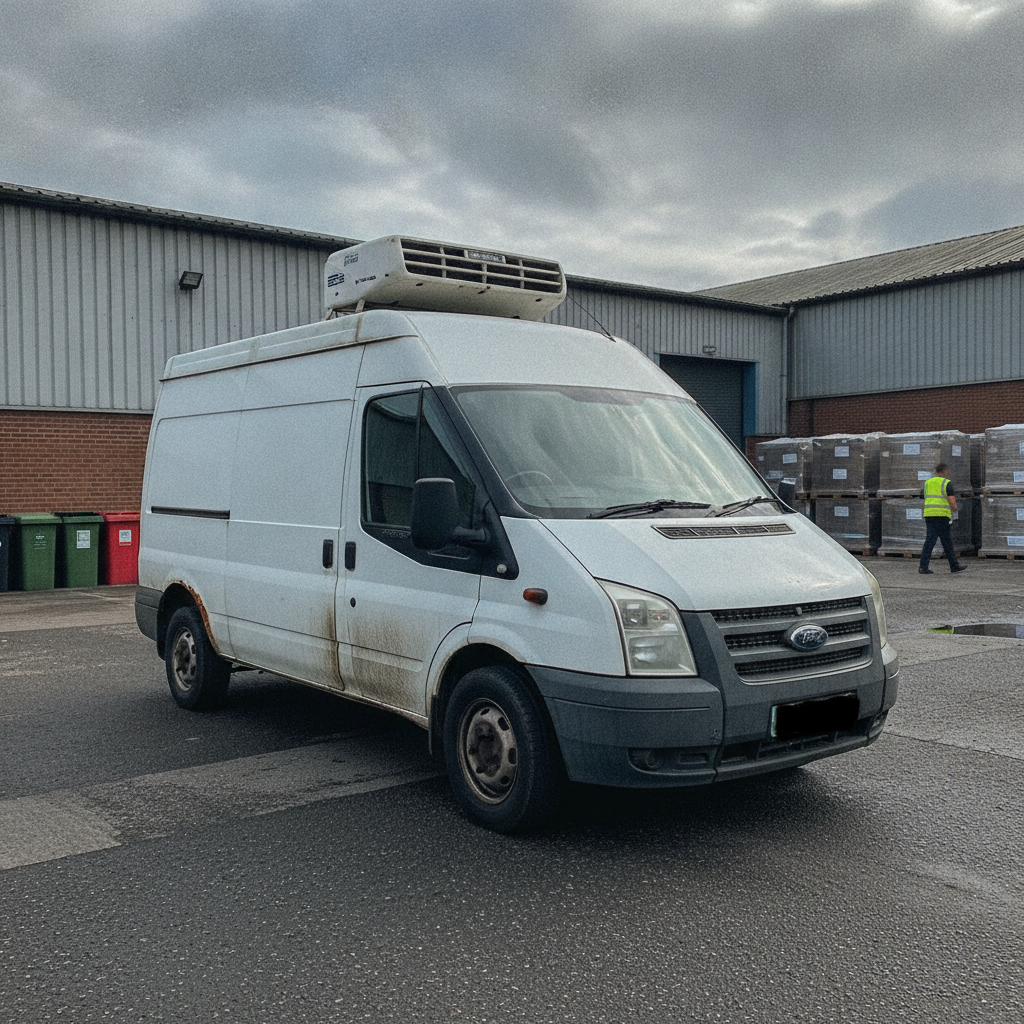
A refrigerated van, commonly referred to in the trade as a fridge van, chiller van, or temperature-controlled vehicle, is an indispensable asset for operations moving perishable stock across the UK road network. Unlike standard panel vans used for general logistics or construction trades, a temperature-controlled vehicle is essentially two distinct pieces of commercial machinery operating in unison: a production automotive chassis and an integrated thermal conversion system.
The core vehicle provides the motive power, safety systems, and chassis architecture, while the conversion package consists of thick-core insulated panels lining the cargo area, precision perimeter door gaskets, and an external mechanical refrigeration unit. Depending on the mechanical specification, these systems either drop load-bay temperatures down to sub-zero freezer levels, sustain precise chilled bands above freezing, or maintain elevated ambient temperatures to safeguard temperature-sensitive biological or chemical consignments during harsh winter months.
In standard configurations, the cooling mechanism relies on an auxiliary compressor mounted directly to the van engine. When the driver starts the diesel or petrol engine, an auxiliary drive belt powers the compressor, cycling refrigerant gas through external condenser coils and internal evaporator blowers. Advanced systems also integrate off-engine electric standby units, enabling the operator to plug the vehicle directly into a commercial or domestic electrical supply while stationary, keeping goods cold without requiring the vehicle engine to idle.
Thermal Classifications and Conversion Types
When searching for a commercial fridge vehicle, selecting the correct thermal grade is critical. Operating an under-specified conversion causes product spoilage, regulatory failure, and severe compressor burnout, while over-specifying unnecessarily restricts your available carrying capacity.
- Chiller Conversions (Operating between zero and eight degrees Celsius): Intended primarily for fresh meat transport, dairy logistics, fresh produce, craft breweries, and floristry. These conversions generally feature fifty-millimetre polyurethane foam core insulation bonded beneath a smooth, hygienic glass-reinforced plastic lining. Cooling demands are satisfied by direct-drive roof-mounted or nose-mounted condenser units that quickly pull the cargo area down to standard refrigeration levels.
- Deep Freeze Conversions (Operating down to minus twenty-five degrees Celsius): Essential for frozen food distributors, wholesale seafood suppliers, and industrial ice transport. Deep freeze builds rely on heavy-duty insulation measuring between seventy-five and one hundred millimetres thick. These conversions feature secondary internal slab doors, high-density insulated floor panels, reinforced heat-sealed door profiles, and high-displacement compressors using specialised commercial refrigerants.
- Dual-Temperature and Multi-Compartment Systems: Tailored for complex foodservice operations, event caterers, and regional food wholesalers who must carry ambient, chilled, and deep-frozen freight within the same dispatch run. These vehicles incorporate a movable or permanently bonded insulated bulkhead partition dividing the load bay into discrete zones. Each zone incorporates its own independent evaporator unit linked to an in-cab digital controller, allowing drivers to set distinct target temperatures for forward and rear compartments.
- Electric Standby Capability: Found via an external weatherproof input plug mounted directly into the vehicle flank or under the front bumper. Standby units run on either single-phase household voltage or three-phase industrial current, operating an onboard secondary electric motor to drive the cooling compressor. This facility enables users to pre-cool the van before early morning loading or run the vehicle as an auxiliary static cold store overnight without burning vehicle fuel or violating neighbourhood noise curfews.
Top Makes and Models on the UK Market
The base vehicle platform dictates payload durability, driver comfort, service network support, and urban manoeuvrability. When browsing through used vans on the commercial market, specific base models stand out for their proven track records in thermal conversions.
Mercedes-Benz Sprinter
The Mercedes-Benz Sprinter is universally regarded as the industry standard for long-distance wholesale, pharmaceutical delivery, and multi-drop food distribution. Available in rear-wheel drive and all-wheel drive, the Sprinter chassis handles the punishing dead-weight of heavy freezer insulation with minimal chassis flex. Its robust diesel powertrains are known for reaching high mileages when maintained strictly to schedule. The Sprinter is also the preferred donor platform for heavy-duty box body conversions, where external insulated box bodies are mounted to a chassis cab to maximise internal cubic capacity for roll cages and standard pallets.
Ford Transit and Transit Custom
The Ford Transit family dominates UK commercial fleets due to unmatched parts availability, extensive dealer networks, and reasonable routine maintenance expenses. The medium-sized Transit Custom serves as the premier platform for urban butchers, caterers, and local delivery routes requiring tight turning circles and standard height clearance. The larger full-size Ford Transit chassis offers significant payload ratings in front-wheel, rear-wheel, and all-wheel drive configurations. Front-wheel drive versions provide a lower cargo load height, which eases manual handling during multi-drop rounds, while rear-wheel drive models offer exceptional traction when hauling maximum permissible loads.
Volkswagen Crafter and MAN TGE
Sharing an advanced joint platform, the Volkswagen Crafter and MAN TGE offer refined driving dynamics, outstanding cab ergonomics, and cutting-edge active driver safety systems. Their chassis design makes them particularly popular for sophisticated dual-compartment conversions and delicate pharmaceutical logistics. MAN TGE models benefit from commercial truck network servicing, providing round-the-clock maintenance availability suited to businesses operating intensive twenty-four-hour delivery schedules.
Vauxhall Vivaro, Renault Trafic, and Stellantis Platforms
For city-centric operations, micro-distribution, and businesses balancing strict operational overheads, medium-sized vans such as the Vauxhall Vivaro, Renault Trafic, and Peugeot Expert deliver high fuel efficiency alongside generous factory payloads. Because these base vehicles carry a lower unladen kerb weight than heavy rear-wheel-drive platforms, they allow bodybuilders to fit complete chiller insulation packages while still preserving an operational payload margin suitable for local deliveries.
Trades and Commercial Sectors That Rely on Fridge Vans
Temperature-controlled vans serve diverse commercial applications, each placing unique mechanical demands upon the vehicle platform and the refrigeration conversion.
- Independent Butchers and Meat Processors: These operators carry high-density, heavyweight goods. Meat hooks and overhead hanging rails place extreme stresses on the structural ceiling ribbing of the vehicle, demanding certified load-bearing conversions. Vehicles in this trade also require non-slip floor overlays, heavy-duty kick plates, and high-output chiller units to counteract frequent door openings at collection and drop-off points.
- Fishmongers and Seafood Merchants: The maritime trade requires the most corrosion-resistant conversion configurations available. Melting ice generates salt-laden moisture, requiring completely sealed, seamless gel-coat glass-reinforced plastic floors, deep drainage bungs, and fully sealed internal wheel arches to prevent corrosive brine from seeping into the steel vehicle chassis beneath.
- Mobile Event Caterers and Hospitality Providers: These businesses rely heavily on dual-compartment layouts and electric standby systems. Standby capability allows the vehicle to serve as a mobile cold room directly on-site at wedding venues, agricultural shows, and outdoor corporate functions, eliminating the requirement for stationary industrial refrigeration hire.
- Pharmaceutical, Laboratory, and Medical Couriers: Subject to strict Good Distribution Practice regulations, pharmaceutical transporters require precision temperature maintenance within tight operating windows, often fifteen to twenty-five degrees Celsius or two to eight degrees Celsius. These vans generally require dual-circuit heating and cooling systems, real-time in-cab telematics, and automated temperature datalogging systems with audible driver alarms.
- Florists, Horticulturalists, and Plant Wholesalers: Floristry transport does not require sub-zero capability; instead, it demands consistent, gentle chilling alongside humidity control to prevent cut flowers and exotic plants from suffering heat wilt, dehydration, or frost damage during transit.
Critical Inspection Points When Buying Used
Purchasing a pre-owned temperature-controlled commercial vehicle requires a comprehensive two-stage inspection. Buyers must appraise both the base automotive vehicle and the auxiliary refrigeration systems. Failure in either component will render the van legally or commercially unusable.
1. Structural Payload and Weight Compliance
The primary trap for used fridge van buyers is vehicle payload compliance. Standard three-and-a-half-tonne panel vans possess a legally defined gross vehicle weight. The insulation lining, the refrigeration compressor, the condenser, the evaporator blowers, and secondary battery packs can easily add several hundred kilograms of permanent dead weight to the vehicle tare weight. Always locate the weight conversion plate, typically riveted inside the driver door shut or under the bonnet, which shows the revised unladen kerb weight. Subtract this figure from the maximum gross vehicle weight to ensure the remaining legal payload meets your commercial transport requirements.
2. The Refrigeration Pull-Down Test
Never purchase a used temperature-controlled van without conducting a full pull-down test from ambient temperature. Switch the unit on, set the digital cab command controller to the lowest rated operating threshold, and monitor the rate of temperature decrease. A healthy commercial chiller system operating in standard British weather should pull the cargo space down from ambient to two degrees Celsius within thirty to forty-five minutes. Freezer conversions should pull down to minus eighteen degrees Celsius smoothly without tripping or cutting out. If the unit struggles, stalls, or displays refrigerant pressure fault codes, the system likely suffers from a failing compressor, blocked expansion valves, or costly refrigerant gas leaks.
3. Condition of the Insulation, Gaskets, and Floor Lining
Inspect the interior lining thoroughly for signs of physical impact, deep gouges, or structural delamination. Walk firmly over every square inch of the internal load floor; spongy sections indicate water ingress has penetrated beneath the fibreglass shell, soaking the insulation core. Waterlogged insulation permanently ruins thermal efficiency, adds substantial illegal weight to the vehicle, and cannot be repaired without stripping out the entire conversion. Check the rubber door seals and internal thermal curtains for tears, splits, or missing segments, as worn seals introduce heat leaks that overwork the compressor.
4. Mechanical Wear and Engine Idling Hours
Temperature-controlled vans operate under arduous mechanical duties. They spend considerable amounts of time stationary with their engines idling to keep direct-drive compressors running during loading or customer drop-offs. Consequently, a fridge van showing low odometer mileage may have accumulated thousands of operational engine hours equivalent to a much higher-mileage vehicle. Check the service history for frequent oil changes, examine the condition of the auxiliary drive belts, inspect the engine cooling system for signs of overheating, and ensure the diesel particulate filter is free of carbon blockage caused by prolonged urban idling.
5. Maintenance Records and F-Gas Regulatory Compliance
Commercial refrigeration systems fall under national F-Gas regulations governing fluorinated greenhouse gases. Ensure the vehicle has a dedicated refrigeration service record separate from its automotive maintenance book. This documentation should prove regular compressor oil renewals, refrigerant gas leak testing, filter-drier replacements, and electrical safety inspections. If the van is fitted with an electric standby plug, check that the electrical cable, safety breaker, and vehicle socket show no scorching, cracking, or water contamination.
Understanding Used Market Valuations
The valuation of a used refrigerated commercial vehicle reflects both the condition of the automotive platform and the specification, age, and brand of the thermal conversion equipment. Because retrofitting a brand-new refrigeration package to a panel van requires significant capital outlay, well-maintained conversions command strong residual values compared to standard empty vans.
Entry Tiers: Under £8,000
Vehicles in this price tier are typically older commercial assets, often manufactured prior to mandatory Euro 6 emissions standards, or high-mileage fleet workhorses that have exceeded one hundred and fifty thousand miles. While conversions at this level may show aesthetic scuffs, worn internal cargo linings, and basic direct-drive chillers without standby facilities, they remain practical solutions for regional trades, local shops, or backup contingency fleet roles outside clean air charging zones.
Mid-Range Commercial Standards: £8,000 to £16,000
This bracket forms the backbone of the independent trade market. Here, buyers can source late Euro 6 compliant medium and large panel vans aged between four and eight years old, with mileage typically recorded between sixty thousand and one hundred and twenty thousand miles. Vehicles in this price category regularly feature top-tier conversion brands such as GAH, Carrier Transicold, Hubbard, or Thermo King. Many incorporate essential operational equipment, including electric standby sockets, single-phase hook-up cables, and dual-compartment setups.
Premium Fleet and Late-Plate Stock: £16,000 to £28,000 and Above
Representing modern, low-mileage commercial inventory under four years old, this tier features vans that have generally covered fewer than fifty thousand miles. Vehicles in this bracket often include manufacturer warranty balance, full main dealer automotive service history, and specialist build specifications such as deep-freeze box bodies, hydraulic tail lifts, high-output three-phase standby systems, and multi-evaporator multi-temperature setups. They provide long-term reliability and complete compliance with all UK low-emission schemes.
Commercial Vehicle Finance for Refrigerated Vans
Acquiring a commercial vehicle requires balancing capital preservation, day-to-day cash flow, and tax considerations. When reviewing your commercial vehicle procurement strategy, exploring van finance offers several practical structures designed to help trading businesses acquire operational machinery without depleting liquid reserves.
Hire Purchase (HP)
Hire Purchase is an established, practical method for businesses that intend to retain and run their temperature-controlled vehicle over a long working lifespan. Under an HP agreement, the business pays an initial deposit followed by fixed monthly payments over an agreed term, typically lasting between two and five years. The full value added tax payable on the vehicle is normally settled upfront as part of the initial payment, which VAT-registered businesses can subsequently reclaim through their standard quarterly returns, subject to applicable tax rules. Once the final monthly instalment and option-to-purchase fee are cleared, title ownership of the vehicle passes directly to your business. This route allows the business to claim capital allowances, such as the Annual Investment Allowance, against taxable profits.
Finance Lease
Finance Lease is particularly favoured by commercial fleets and transport operators seeking cash-flow flexibility without the immediate capital outlay associated with full ownership. With a finance lease, the vehicle remains the property of the leasing lender, while your business hires the van for an agreed monthly fee. Payments can be structured with lower monthly commitments by incorporating an agreed residual balloon payment at the conclusion of the term, matched to the anticipated market value of the vehicle. When the lease concludes, the business either sells the vehicle to an independent third party on behalf of the funder, retaining the vast majority of the sales proceeds, or continues operating the vehicle under a minimal annual secondary rental agreement.
Contract Hire
For operations wanting fixed monthly motoring costs with zero exposure to residual vehicle depreciation, Business Contract Hire provides a long-term rental solution. The business pays an initial rental followed by fixed monthly rentals across an agreed term and mileage limit. When the contract expires, the van is simply returned to the leasing company, provided it meets established industry fair wear-and-tear standards. This approach removes the financial risk of falling second-hand commercial vehicle residual values, although operators must carefully maintain the conversion and cargo bay to avoid refurbishment charges at handover.
Marketplace Disclaimer
Please note that Vansales operates strictly as an independent commercial vehicle marketplace and classified advertising platform. Vansales is not a financial broker, commercial lender, credit intermediary, or automotive dealership, and does not provide financial advice, arrange commercial loans, sell vehicles, or assess lending eligibility. Any finance decisions should be evaluated carefully alongside your chartered accountant or an authorised financial services professional to establish the most tax-efficient structure for your trading circumstances.